New Construction and Site Work
Before a building goes up, the site has to work: access, utilities, drainage and a pad that will hold.
The short answer: Construction site services are everything a general contractor does to prepare, run and protect a job site: temporary facilities, utility locates, clearing and grading, erosion and stormwater controls, underground utilities, paving and site safety. In Central Texas they also mean meeting state stormwater and Edwards Aquifer rules.
This guide is for owners, developers, property managers and facility managers planning a commercial project in New Braunfels, San Antonio or the Hill Country. It explains what site work includes, which rules drive the schedule and how the pieces are sequenced. It is general information, not legal or engineering advice.
In this guide
- What construction site services include
- Site setup: temporary facilities and safety minimums
- Before you dig: utility locates and trench safety
- Stormwater: the TCEQ construction general permit
- Building over the Edwards Aquifer
- Local site permits: cities and counties compared
- Soils and the Balcones Escarpment
- The site work sequence, step by step
- Frequently asked questions
What construction site services include
Site services is a catch-all term, and two bidders can mean different things by it. On a commercial project it generally covers six groups of work.
Site setup
Fencing, gates, a stabilized entrance, temporary power and water, a job office, laydown areas, dumpsters and sanitation.
Earthwork
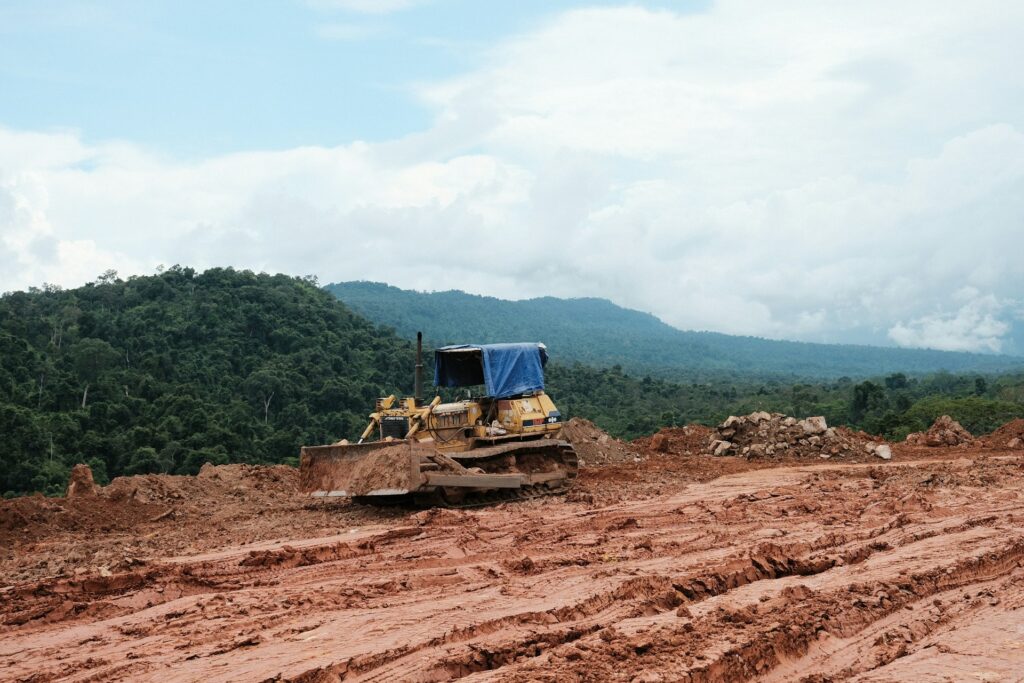
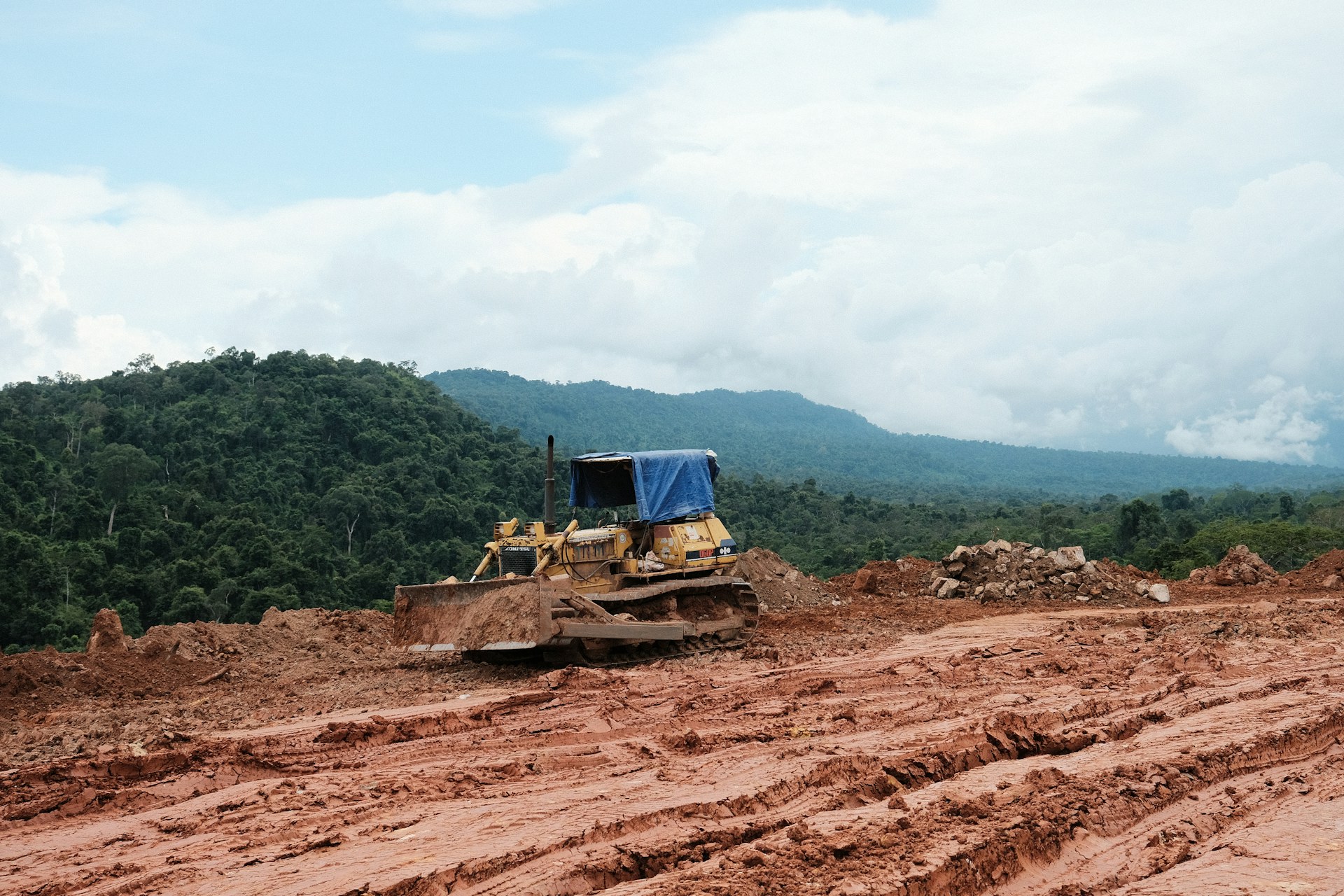
Clearing, demolition of what is in the way, excavation, fill, compaction and grading to the elevations on the civil drawings.
Utilities
Locating existing lines, then trenching and installing water, sewer, storm drain, electrical and communications service.
Stormwater and erosion control
Silt fence, inlet protection, a concrete washout area, inspections and the paperwork that goes with them.
Paving and flatwork
Building pad, drives, parking, curbs, sidewalks and accessible routes, then striping and signage.
Safety and housekeeping
Daily site control: access, dust, mud on the street, trench protection, fire protection and first aid.
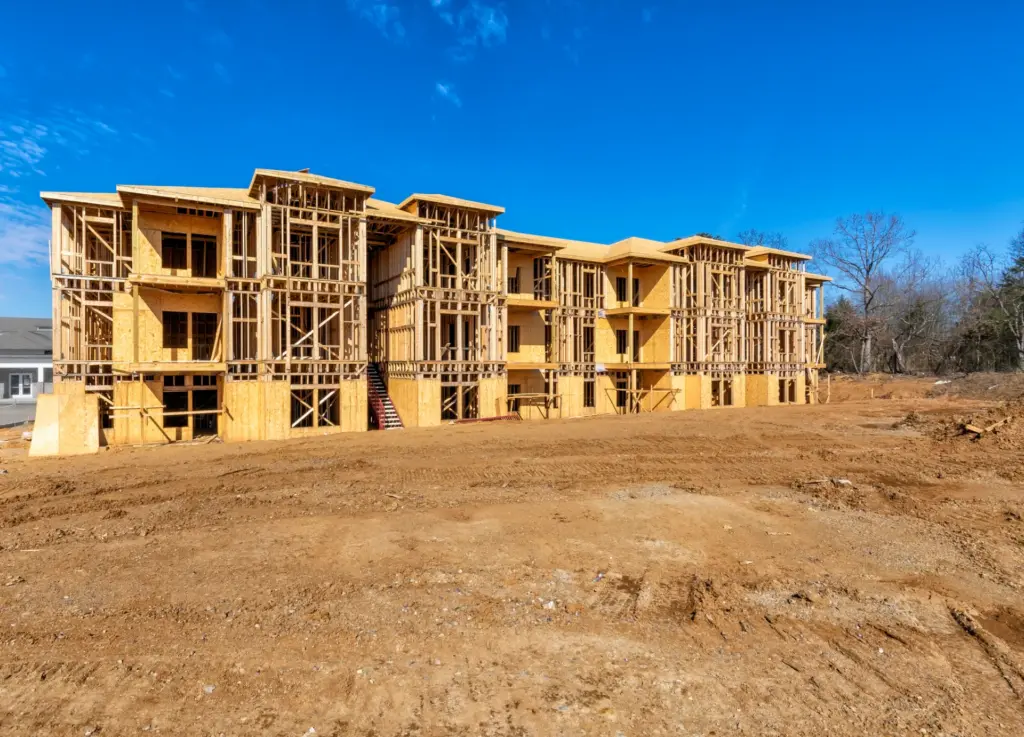
On a ground-up building these items shape most of the early schedule. On a remodel or build-out they shrink to mobilization, protection and cleanup. If you are building new, our new construction services in Central Texas page explains how Long View approaches a ground-up project.
When you compare bids, ask each contractor to list what their site work number includes. Rock excavation, hauling, import fill and erosion control maintenance are often left out or carried as allowances.
Site setup: temporary facilities and safety minimums
What goes up first
- Perimeter and access. Fencing, gates and signage that keep the public out and direct deliveries to one controlled entrance.
- A stabilized construction entrance. New Braunfels’ standard construction plan notes call for a rock construction entrance at least 25 feet long and require the right-of-way to be kept clear of mud and rocks at all times.
- Erosion controls. Silt fence, inlet protection and the posted stormwater site notice go in before soil is disturbed.
- Temporary utilities, office and laydown. Power, water and a place to run the job and store materials without blocking fire access.
- Waste and washout. Dumpsters and a contained concrete washout area, both shown on the stormwater plan.
The minimums OSHA sets
Federal construction safety standards put numbers on several site services:
- Drinking water. An adequate supply of potable water must be provided.
- Toilets. One toilet for 20 employees or fewer. From 20 employees, one toilet seat and one urinal per 40 workers. From 200, one of each per 50 workers.
- Fire extinguishers. One rated at least 2A for each 3,000 square feet of protected building area, with no more than 100 feet of travel to the nearest one, and at least one on each floor.
- First aid. Supplies must be easily accessible, and where no clinic, hospital or physician is reasonably accessible, a person with valid first aid training must be available at the site.
The state stormwater permit adds a detail: portable toilets must be secured so they will not tip and kept away from storm drain inlets.
Working hours
Construction hours are a local rule. San Antonio’s city code allows construction from 7 a.m. to 8 p.m. Monday through Friday, 8 a.m. to 8 p.m. on Saturday and 9 a.m. to 5 p.m. on Sunday. Other cities set their own limits, so confirm them before the schedule is built.
Before you dig: utility locates and trench safety
Texas811
Texas law requires excavators to notify a notification center before digging with mechanized equipment to a depth of 16 inches or more. Texas811 asks for notice at least two business days before excavating, not counting weekends and holidays, and no more than 14 days ahead. Under the Railroad Commission of Texas pipeline damage prevention rules, a routine locate ticket expires after 14 working days, so long site work phases need their tickets refreshed. Texas811’s own advice is simpler: contact 811 before any digging, regardless of depth.
Trenches and excavations
Utility trenches are where site work injuries happen, and the OSHA excavation standard is specific:
- Workers in an excavation 5 feet deep or more must be protected by a protective system such as sloping, shoring or a trench box, unless the excavation is entirely in stable rock.
- Trenches 4 feet deep or more need a ladder, stairway or ramp placed so no worker travels more than 25 feet laterally to reach it.
- A competent person must inspect excavations daily, before work starts and after every rainstorm.
- Sloping or benching for excavations deeper than 20 feet must be designed by a registered professional engineer.
Stormwater: the TCEQ construction general permit
The Texas Commission on Environmental Quality (TCEQ) regulates stormwater from construction sites through Construction General Permit TXR150000. The current permit took effect on March 5, 2023 and runs to March 5, 2028. It applies to construction that disturbs 1 acre or more, and to smaller sites that are part of a larger common plan of development that will disturb 1 acre or more.
Small sites: 1 to under 5 acres
Prepare and follow a stormwater pollution prevention plan (SWP3), post the signed TCEQ site notice, and give a copy to the operator of the city or county storm sewer system at least 2 days before starting. No notice of intent or fee goes to TCEQ.
Large sites: 5 acres or more
Prepare the SWP3 before starting, submit a notice of intent to TCEQ with the fee ($225 when filed electronically), post the large site notice, and send a copy of the signed notice of intent to the storm sewer operator 2 days before starting.
The permit also sets working rules that last until the site is stabilized:
- Inspections. At least once every 14 calendar days and within 24 hours after a storm of 0.5 inches or more, or, as an alternative, once every 7 calendar days.
- Stabilization. Where construction has stopped and will not resume for more than 14 days, stabilization of that area has to begin.
- Concrete washout. Discharging concrete truck wash water to surface water or storm sewers is prohibited. It goes to a contained area shown on the plan.
- Tracking and dust. Sediment and dust carried off the site by vehicles must be minimized, and inspectors check entrances and exits for it.
Building over the Edwards Aquifer
This is the rule that surprises owners new to the region. TCEQ’s Edwards Aquifer Protection Program covers parts of eight counties: Kinney, Uvalde, Medina, Bexar, Comal, Hays, Travis and Williamson.
- Recharge zone. No one may begin construction of a regulated activity until an Edwards Aquifer protection plan, such as a water pollution abatement plan, has been filed and approved by TCEQ. Approval has to come before soil is disturbed.
- Contributing zone. A contributing zone plan is required for regulated activities that disturb 5 acres or more, or smaller sites that are part of a larger common plan that could disturb 5 acres or more.
The stormwater permit ties into this: on a site regulated under the Edwards rules, construction may not begin until TCEQ approves the aquifer protection plan. Only portions of Comal and Bexar counties are in the regulated zones, so check the address in TCEQ’s Edwards Aquifer map viewer during due diligence, before the purchase closes or the lease is signed.
Local site permits: cities and counties compared
State rules sit on top of local ones. What you file locally depends on whether the site is inside city limits.
| Jurisdiction | Site work permit | Also expect |
|---|---|---|
| City of New Braunfels | Grading permit from Engineering for large acreage grading, excavation and fill ahead of development. It does not cover flatwork, structures or utilities. | Drainage report and erosion control plan. TCEQ approval first if the site is in the Edwards Aquifer zone. A floodplain permit in FEMA flood hazard areas. A tree removal permit for protected trees. |
| City of San Antonio | Sitework (grading, added impervious cover, utility work) is included with a new building permit or issued standalone by Development Services. | A tree application before any clearing. A right-of-way permit from Public Works for work in city right-of-way. |
| Unincorporated Comal County | The Fire Marshal requires a building permit before a new commercial or public building is built. | On-site sewage facility, floodplain development, driveway and utility permits may apply. |
| Unincorporated Guadalupe County | A permit is required before constructing or substantially improving commercial buildings (2024 International Fire Code, effective February 1, 2026). | On-site sewage facility and floodplain permits through Environmental Health. Driveway permits through Road and Bridge. |
| Unincorporated Bexar County | The Fire Marshal issues commercial building permits after Public Works signs a permit verification form. | Stormwater quality permit where 1 acre or more is disturbed, right-of-way, on-site sewage facility and floodplain development permits. |
Two details are worth knowing early. New Braunfels does not issue conditional or temporary grading permits, and its commercial landscape plans must show existing trees 8 inches or more in diameter with a tree protection plan. San Antonio’s published target for the initial technical review of a standalone sitework permit is 10 business days.
Soils and the Balcones Escarpment
Central Texas sites differ sharply over short distances. The Balcones Escarpment, which runs from Waco toward Del Rio, separates two kinds of ground. To the west, the Hill Country and Edwards Plateau are capped by hard limestone with thin soils. To the east, the Blackland Prairie has deep, black clay soils with high shrink-swell potential.
For site work that means two different budgets. Limestone drives excavation cost and method, especially for utility trenches. Clay drives building pad preparation and foundation design. A geotechnical report from borings on your site is what your engineer and contractor should price from.
Have a site in mind? Let us look at it with you.
Long View Construction Services helps owners and developers plan and build commercial projects in New Braunfels, San Antonio and the Hill Country. Send us your plans, or call (866) 381-6186 to talk through the site.
The site work sequence, step by step
- Due diligence. Order the survey and geotechnical report, and check the Edwards Aquifer zone, floodplain and protected trees before you commit.
- Plans and permits. The civil engineer prepares grading, drainage and utility plans. The team prepares the SWP3, files any aquifer plan and applies for local permits.
- Utility locates. Contact 811 at least two business days before digging and keep tickets current.
- Mobilize. Install fencing, the stabilized entrance, erosion controls and temporary facilities, and post the site notice before disturbing soil.
- Clear and rough grade. Remove vegetation, protect the trees that stay, and cut and fill to rough elevations.
- Underground utilities. Trench and install storm drain, sewer, water and conduit, with trench protection throughout.
- Pad and foundations. Prepare and test the building pad to the geotechnical report, then hand it to the foundation crew.
- Paving and final grade. Place curbs, paving and sidewalks, then finish grading, landscaping and permanent stabilization.
- Close out. Remove temporary controls once the site is stabilized, file the notice of termination where one is required, and complete final inspections.
Site work is also where a contractor’s qualifications show. Before you hire, see how to verify a general contractor in Texas. For an interior project, our commercial build-out process guide covers the shorter sequence.
Frequently asked questions
What are construction site services?
Construction site services are the work a general contractor does to prepare, run and protect a job site. They include temporary facilities such as fencing, power, water and sanitation, utility locates, clearing and grading, erosion and stormwater controls, underground utilities, paving and day-to-day site safety.
Do I need a stormwater permit for a 1 acre commercial site in Texas?
Yes. The TCEQ Construction General Permit TXR150000 applies to construction that disturbs 1 acre or more. Sites from 1 to under 5 acres need a stormwater pollution prevention plan and a posted site notice but file no notice of intent or fee with TCEQ. Sites of 5 acres or more must also submit a notice of intent and fee.
How far ahead do I have to call 811 before digging in Texas?
Texas811 asks for notice at least two business days before excavating, not counting weekends and holidays, and no more than 14 days ahead. Under Railroad Commission of Texas pipeline rules a routine locate ticket expires after 14 working days, so tickets must be renewed on longer jobs.
How do I know if my site is over the Edwards Aquifer?
Check the address in the Edwards Aquifer map viewer published by the Texas Commission on Environmental Quality. Parts of Comal and Bexar counties are in the regulated recharge and contributing zones. On the recharge zone, an Edwards Aquifer protection plan must be approved by TCEQ before construction begins.
Do Texas counties require permits for commercial site work outside city limits?
Often, yes. In unincorporated Comal, Guadalupe and Bexar counties the county fire marshal requires a permit before a commercial building is constructed, and county offices also handle on-site sewage, floodplain, driveway and right-of-way permits. Bexar County also requires a stormwater quality permit where 1 acre or more is disturbed.
Good buildings start with a well-run site. See our new construction services, submit your plans for a bid, or visit the Long View Construction Services home page to learn how we serve New Braunfels, San Antonio and the Hill Country.