Renovating an apartment community that is 90 percent occupied is a different job from renovating an empty building. Every decision about scope, sequence and schedule has a resident on the other side of it, and the owner’s return depends on keeping those residents in place while the work raises rents, cuts operating costs or extends the life of the property. The projects that go well treat the residents as a planning constraint from day one rather than a complaint to manage later.
This guide covers how owners and property managers plan multifamily improvements on occupied properties in Central Texas: choosing between interior unit turns, exterior and common-area work and building systems; phasing the work so vacancy loss stays small; and the communication and logistics that keep a renovation from turning into a leasing problem. For details on the types of multifamily work Long View performs, see our multifamily improvements page.
Three kinds of multifamily improvements
Most renovation programs fall into one or more of these categories, and each has its own relationship to occupancy.
Unit interiors
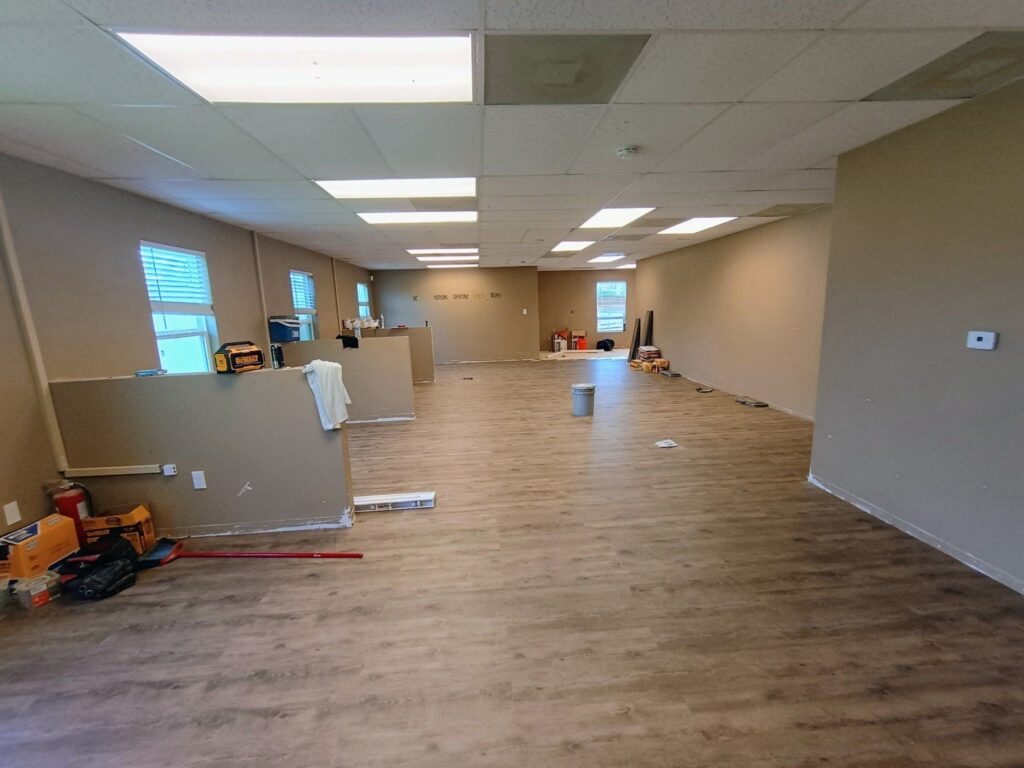
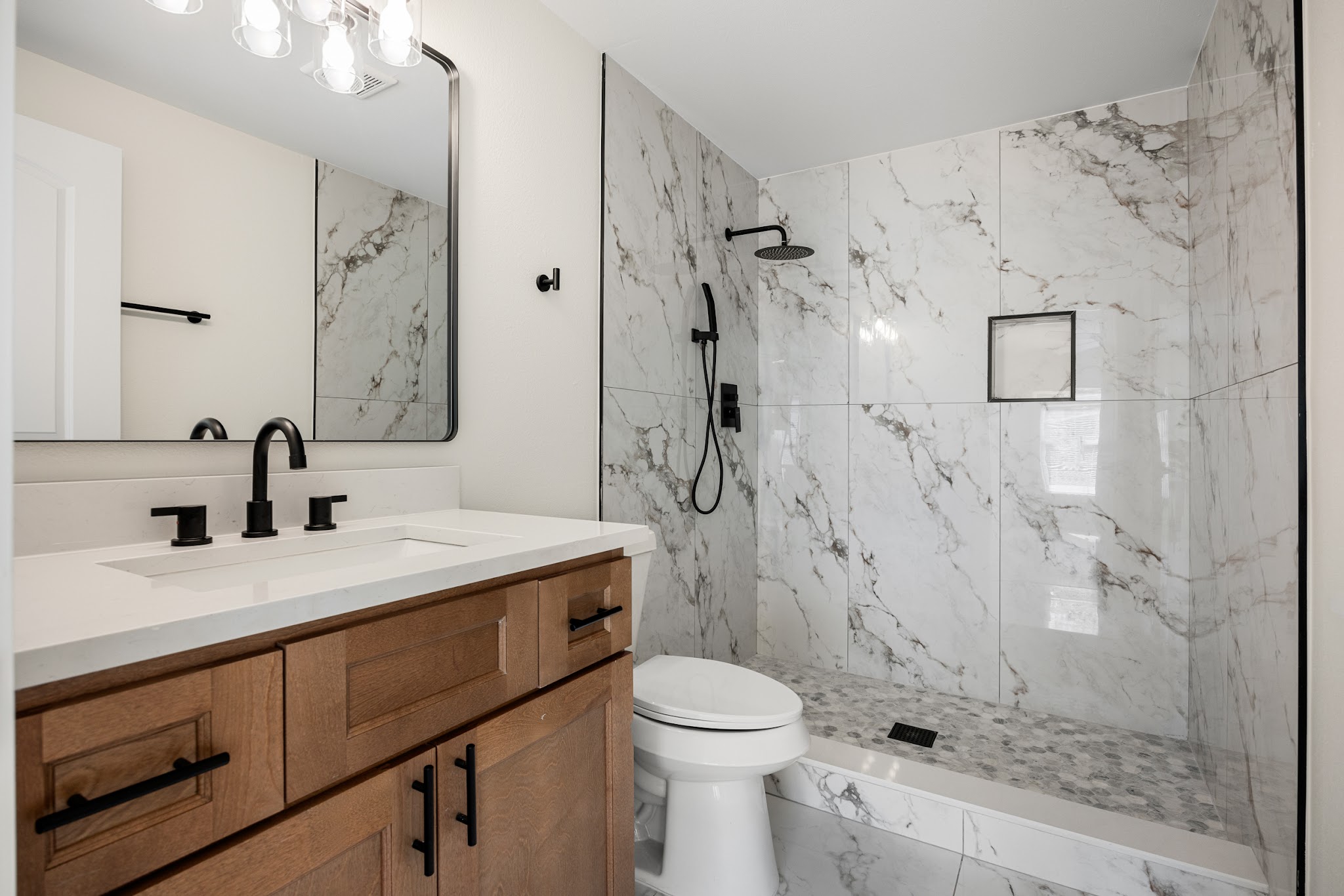
Kitchens, bathrooms, flooring, lighting, paint, fixtures and appliances. Interior upgrades are the most direct path to higher rents and are usually done at turnover, one unit at a time, so the property never loses more than a handful of units at once. The challenge is consistency and speed: a renovation program that takes three weeks per unit instead of ten days costs the owner nearly two weeks of rent on every single apartment.
Exteriors and common areas
Siding, stucco and masonry repair, paint, balconies and railings, breezeways, stairs, roofing, parking, lighting, fencing, pool and amenity areas, leasing office and clubhouse. This work happens with residents in place and affects everyone at once, so it depends on scheduling, access planning and clear communication. It is also where most deferred maintenance lives and where lenders and insurers focus during due diligence.
Building systems and envelope
Roofs, water heaters, HVAC replacement, plumbing re-pipes, electrical panel upgrades, drainage and waterproofing. Systems work is the least visible to prospective residents and the most disruptive to current ones. It usually has the strongest financial case when measured against operating costs, insurance requirements and avoided emergency repairs rather than rent premiums.
Start with the business case, not the finish schedule
Before selecting finishes, define what the renovation needs to accomplish and how it will be measured. Common targets:
- Rent premium. What do renovated units at comparable properties in New Braunfels, San Marcos, Schertz or the San Antonio and Austin submarkets actually lease for, and what scope do they include? Over-renovating past the submarket’s ceiling is a common mistake on value-add deals.
- Operating cost reduction. Water-efficient fixtures, LED lighting, HVAC replacement and roof insulation each have a measurable payback, especially on properties where the owner pays utilities.
- Risk and compliance. Roofs, balconies, stairs and electrical systems near the end of their life are liability and insurability issues. Some improvements are required by lenders or insurers as a condition of financing.
- Retention. Residents leave properties that feel neglected. Exterior and common-area work often pays back in reduced turnover rather than higher rent.
Once the targets are set, scope follows from them. A property positioned for a modest rent premium does not need the same kitchen package as one competing with new construction.
Phasing: how to renovate without emptying the property
Unit interiors at turnover
The standard approach is to renovate units as leases expire and residents move out, with a target renovation cycle short enough that the vacant period barely exceeds normal turn time. That requires three things: a standardized scope so every unit is built the same way, materials stocked on site so nothing waits on delivery, and a crew that can move from unit to unit without gaps. Properties sometimes pair this with non-renewal of a small number of leases to keep a steady pipeline of units, but forcing turnover to accelerate the program trades rent today for rent later and should be modeled, not assumed.
Building-by-building exterior work
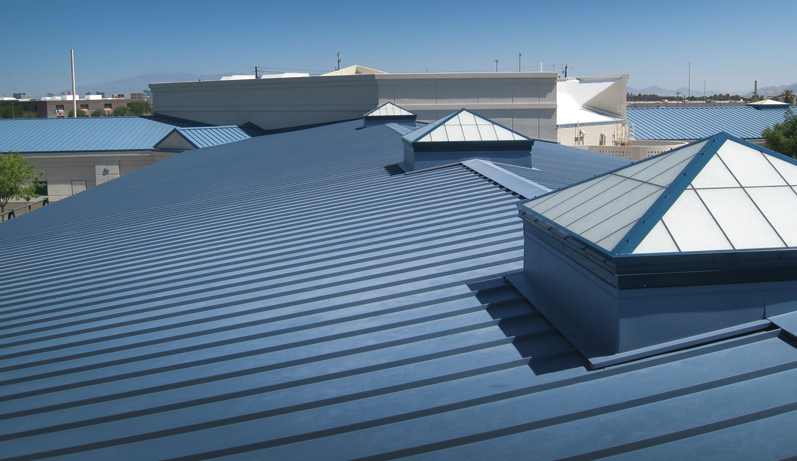
Exterior and envelope work is sequenced by building so that disruption to any one group of residents is short. Residents are notified of the schedule for their building, parking is reassigned where lifts and staging will sit, and balconies or breezeways are closed only for the days they are actually being worked. Roofing is usually done this way; a well-run crew can complete a building’s roof in days, and sequencing across the property keeps the impact to one building at a time. The right roof system for the property depends on the existing roof and the owner’s hold period, which we cover in our comparison of commercial roofing systems for Central Texas.
Occupied-unit systems work
Water heater replacement, HVAC changeouts, plumbing repairs and electrical upgrades inside occupied units require scheduled access, usually with a notice period set by the lease and by Texas Property Code requirements for entry. The work is planned in short windows with a resident coordinator, water or power shutoffs are grouped and announced in advance, and units are left clean and functional at the end of each day. A re-pipe that leaves a family without water overnight is a complaint; one that leaves them without water for two hours they knew about is routine.
Standardize the unit package
On a program covering dozens or hundreds of units, small per-unit decisions multiply. A standardized package specifies the cabinet line and color, countertop material, flooring product, plumbing and lighting fixtures, paint colors, appliance package and hardware, and it is applied to every unit without re-selection. Benefits:
- Volume pricing on materials and the ability to stock on site
- Faster cycle time because the crew builds the same unit repeatedly
- Easier maintenance later because every unit uses the same parts
- Consistent marketing: the renovated unit a prospect tours is the one they get
Build and price a model unit first. It confirms the scope, exposes surprises in the existing construction, produces a real per-unit cost and cycle time, and gives leasing a unit to show while the program ramps up.
Communication that prevents complaints and move-outs
Residents tolerate construction they understand. The elements that consistently work:
- A master schedule shared with residents by building and phase, updated when it changes.
- Written notice before any work affecting a unit, building or amenity, including what will happen, when, and what residents need to do (move cars, clear balconies, secure pets).
- One point of contact on site who residents can reach, backed by the property manager.
- Quiet hours and work hours that respect residents who work nights or from home.
- Daily cleanup of breezeways, stairs and parking areas so the property does not look like a job site for months.
- Visible progress updates, such as renovated model units or finished buildings, so residents see what they are getting.
Permits, codes and inspections on occupied properties
Interior cosmetic work rarely needs a permit, but moving walls, electrical and plumbing changes, HVAC replacement, re-roofing, structural repairs to balconies and stairs, and pool or amenity work generally do. Permit requirements come from the city where the property sits. Accessibility applies to multifamily differently than to commercial space, with the Fair Housing Act’s design requirements governing covered dwelling units and common areas on newer properties; renovation of existing units generally must not reduce accessibility that already exists. Fire-rated separations between units and in breezeways must be maintained through any work that opens walls or ceilings, which is a frequent inspection issue when previous repairs were done informally.
Working with the contractor
Owners get the best results from multifamily renovation when the contractor is engaged as a program partner, not a unit-by-unit vendor. Practically that means:
- A per-unit price and cycle time commitment for the standard package, with a change-order process for conditions found in individual units
- A site logistics plan covering staging, dumpsters, parking, deliveries and resident access
- Weekly schedule and cost reporting that ties to the owner’s draw and leasing calendar
- Insurance and lien waivers aligned with lender requirements
- A punch and close-out process per unit and per building so leasing can release units the day they are complete
Frequently asked questions
How many units can be renovated at once?
It depends on turnover, crew size and the owner’s tolerance for vacancy. Many programs settle at a steady number of units in progress at a time that matches the property’s natural turnover so the project never carries more vacancy than normal operations would.
Should interiors or exteriors come first?
Exteriors and systems usually come first when there is deferred maintenance, because prospects judge the property from the parking lot and a leaking roof damages renovated interiors. Interiors come first when the exterior is sound and the goal is rent growth.
Can residents stay during a re-roof?
Yes. Re-roofing is done from outside with buildings sequenced one at a time. Residents are notified of noise, parking changes and brief interruptions to balcony use.
What about properties that need major reconstruction?
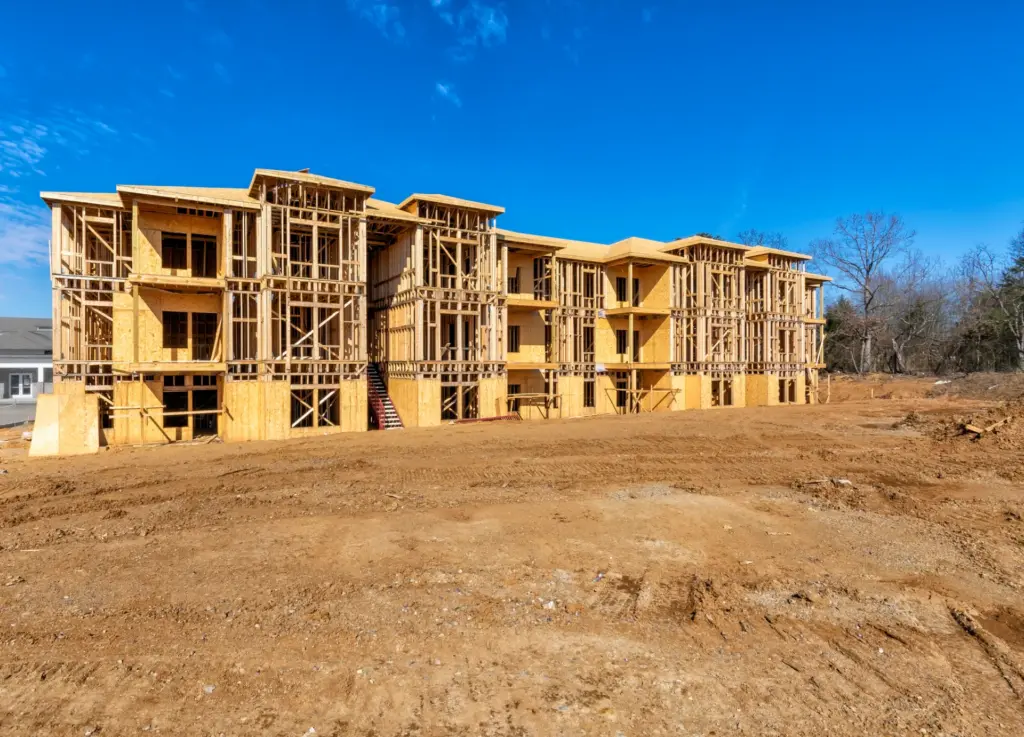
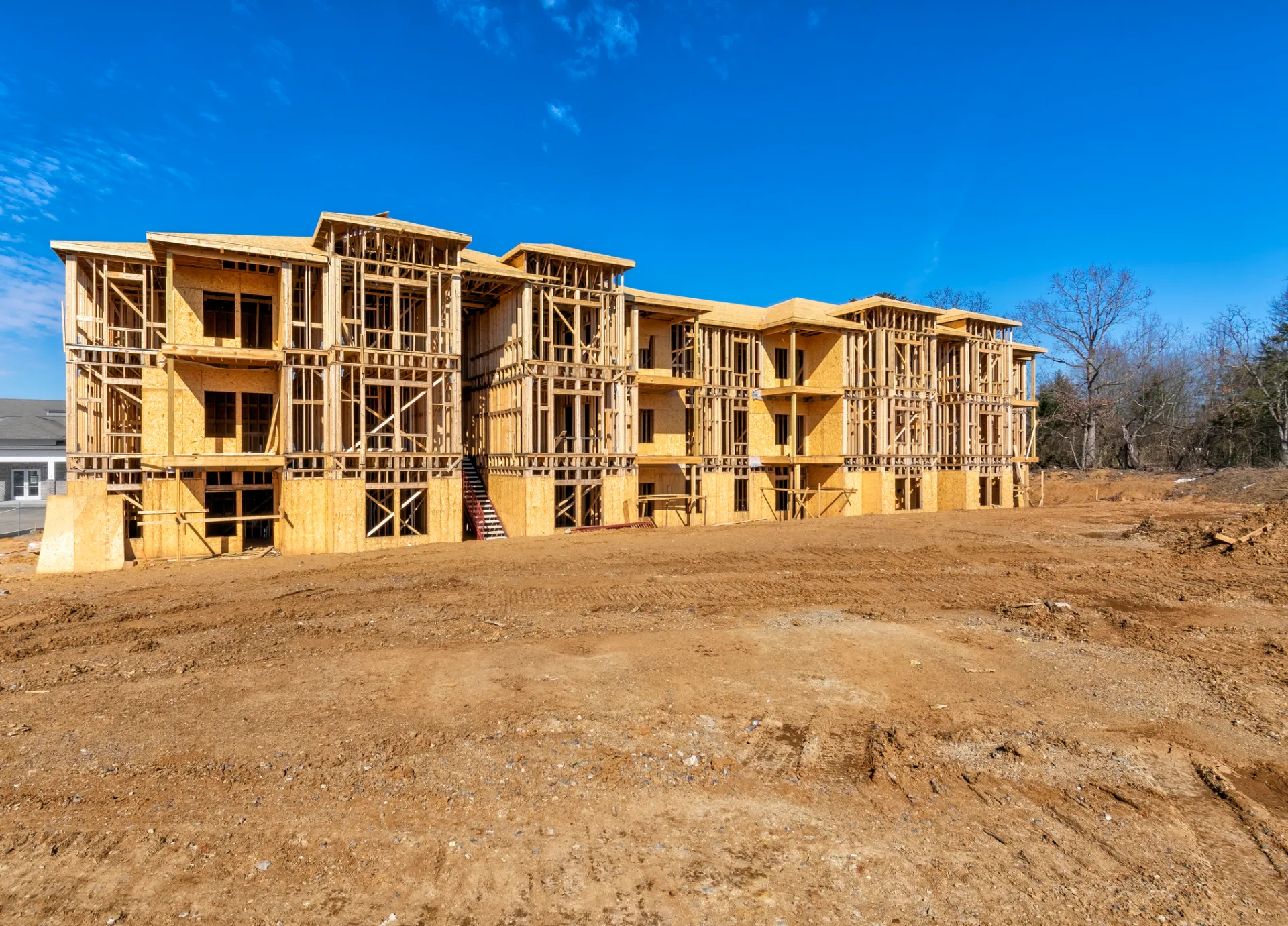
Some properties are past the point where renovation makes sense, and the right answer is partial or full redevelopment. That is a different process with site, entitlement and financing questions; our new construction page describes how ground-up multifamily projects proceed.
Planning a renovation program?
Long View works with owners and property managers across Central Texas on unit turns, exterior and common-area renovations, roofing and building systems on occupied properties. Submit your scope or plans for a program-level estimate, or learn more about our multifamily improvement services.