Commercial roofs in Central Texas live a hard life. Summer surface temperatures on a dark low-slope roof can run far above the air temperature for months at a time, spring hail arrives most years somewhere between San Antonio and Austin, and the same storms bring wind-driven rain and ponding on roofs that drain poorly. The system you choose decides how the building handles all of that for the next twenty to forty years, and the right answer depends on the roof’s slope, the building’s use and what is already up there.
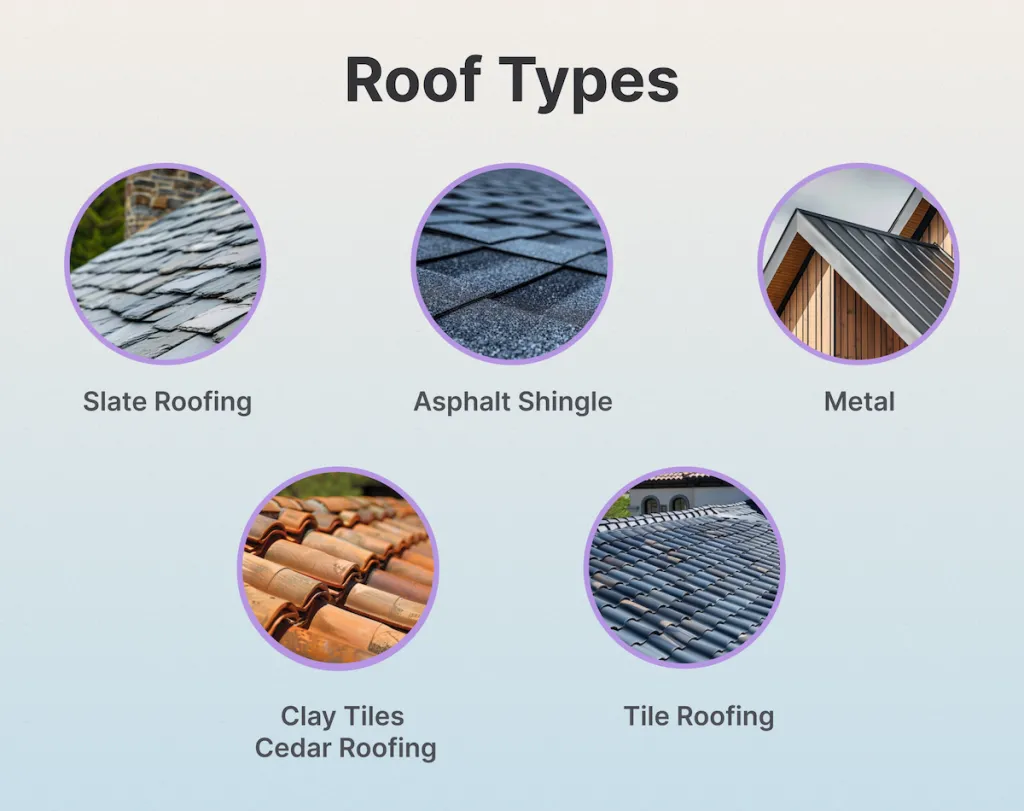
This guide compares the commercial roofing systems most often installed on low-slope and metal-framed buildings in the region: single-ply membranes (TPO, PVC and EPDM), modified bitumen, standing seam and screw-down metal, and coatings over existing roofs. It covers how each handles heat, hail and water, where each one fits, and what to ask before you commit. For residential pitched-roof materials, see our separate guide to roof types for Central Texas homes and businesses. If you need an assessment of an existing building, our commercial roofing page covers inspections, repairs and replacement.
Start with the roof you have
Before comparing systems, three facts about the existing building narrow the options quickly.
- Slope. Low-slope roofs (under roughly 2:12) need a membrane or metal system engineered for standing water; steeper roofs open up standing seam metal and, on some buildings, shingles or tile.
- Deck and structure. Steel deck, concrete, wood and metal purlins each accept different attachment methods. Adding a heavy system to a structure designed for a light one is a structural question, not a roofing one.
- Existing layers. Building codes limit how many roof layers can remain. If there are already two, the next job is a tear-off, which changes the budget and the schedule.
A core cut and a moisture survey are cheap compared to discovering wet insulation after a new membrane is installed over it.
Single-ply membranes: TPO, PVC and EPDM
Single-ply roofing is a factory-made sheet, rolled out over insulation and attached mechanically, with adhesive, or with ballast. Seams are heat-welded (TPO and PVC) or taped and glued (EPDM). These are the most common systems on new low-slope commercial buildings in Texas.
TPO (thermoplastic polyolefin)
TPO is the default choice on most Central Texas retail, office, warehouse and medical buildings because a white TPO surface reflects a large share of solar energy, which lowers roof temperature and cooling load in a climate where air conditioning dominates the utility bill. Seams are hot-air welded into a continuous sheet, which is a real advantage in heavy rain. Thicker membranes (60 or 80 mil) and products with reinforced scrim stand up better to hail than thin ones; ask what thickness is being quoted, because the price difference between a 45-mil and a 60-mil roof is small relative to the difference in impact resistance and service life.
PVC
PVC shares TPO’s welded seams and reflectivity and adds strong chemical and grease resistance, which is why it is specified over restaurant kitchens and some industrial uses. It generally costs more than TPO and is specified when exhaust or chemicals would degrade other membranes.
EPDM
EPDM is a black synthetic rubber with a long track record in cooler climates. In Central Texas its dark color absorbs heat, and its taped seams are more labor-sensitive than welded ones. It remains a reasonable option for some buildings, especially in white or with a reflective coating, but TPO has largely replaced it on new installations here.
Modified bitumen
Modified bitumen is asphalt reinforced with polymers and applied in two or more plies, torched, cold-applied or self-adhered. The multiple layers give it good puncture resistance and make it forgiving on roofs with heavy foot traffic from HVAC service. A granulated or reflective cap sheet improves heat performance. Modified bitumen is often the practical choice for re-roofing older buildings that already have a built-up or asphalt roof, for small roofs where a membrane crew’s mobilization does not pencil, and for roofs with many penetrations that are easier to flash with a torch and roll than with a welded sheet.
Metal roofing
Standing seam
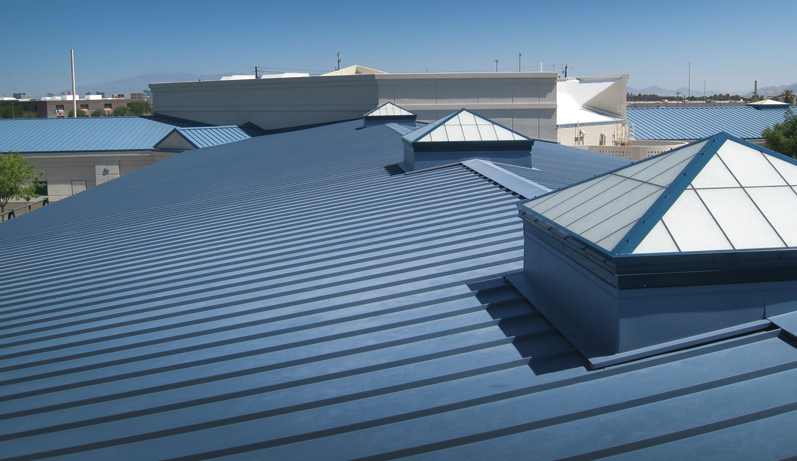
Standing seam panels have concealed fasteners and raised seams that lock together, so the panels can expand and contract through Texas temperature swings without loosening fasteners or opening holes. Properly installed standing seam is among the longest-lasting commercial systems available and performs very well in hail and high wind. It requires a slope and a structure designed for it, and it is the most expensive of the options discussed here on a per-square basis. Retail, churches, schools, office buildings and any owner planning to hold a building for decades should price it.
Screw-down (exposed fastener) metal
Screw-down panels are fastened through the face of the panel with gasketed screws. They are economical and common on warehouses, agricultural buildings and light industrial space across Comal, Guadalupe and Bexar counties. The weakness is the fasteners: thermal movement works them loose and the gaskets eventually fail, so the roof needs periodic fastener replacement to stay dry. Many “metal roof leaks” in the area are fastener leaks, not panel failures.

Roof coatings and restoration
Silicone and acrylic coatings are applied over an existing roof to seal it and add reflectivity. On a structurally sound roof with dry insulation and limited damage, a coating can add years of service at a fraction of replacement cost and often qualifies as maintenance rather than a new roof for tax purposes. On a roof with wet insulation, failed seams or widespread hail damage, a coating hides the problem for a season and then fails with it. The decision depends entirely on the moisture survey, which is why a reputable contractor will not quote a coating without one.
Heat, hail and water: how the systems compare
| System | Heat and reflectivity | Hail resistance | Water handling | Typical fit |
|---|---|---|---|---|
| TPO | Excellent when white | Good at 60+ mil, reinforced | Welded seams; needs positive drainage | Retail, office, warehouse, medical |
| PVC | Excellent when white | Good | Welded seams; chemical resistant | Restaurants, industrial |
| EPDM | Poor when black, fair when white | Fair to good (flexible) | Taped seams; installer-dependent | Existing EPDM roofs, some re-roofs |
| Modified bitumen | Fair; better with reflective cap | Good (multi-ply) | Redundant plies; tolerates traffic | Re-roofs, small roofs, many penetrations |
| Standing seam metal | Good; very good with cool-roof paint | Very good (dents, rarely fails) | Few seams; needs slope | Long-hold buildings, steeper roofs |
| Screw-down metal | Good with light colors | Good panels, weak fasteners | Fastener leaks over time | Warehouse, agricultural, light industrial |
| Coatings | Excellent | Adds little | Depends on roof beneath | Sound roofs needing more years |
Hail and the insurance question
Hail is the leading cause of commercial roof claims in this part of Texas. Membranes fracture or lose granules, metal dents, and the damage is often invisible from the ground. After a storm, document the roof, request an inspection quickly, and understand that a dented metal roof that still sheds water may be treated differently by an insurer than a fractured membrane that will leak. When replacement is approved, the claim is also the moment to consider upgrading thickness, reflectivity or insulation, since much of the labor cost is already being spent.
Insulation, drainage and the details that matter more than the membrane
Owners spend most of the decision on membrane type, but three other choices decide how the roof performs.
- Insulation. Current energy code requires substantially more roof insulation than older buildings have. Adding polyiso during a re-roof is the cheapest time to do it, and on a cooling-dominated building it pays back.
- Drainage. Tapered insulation, added drains or scuppers, and crickets behind rooftop units eliminate ponding, which shortens the life of every system above.
- Flashings and penetrations. Most leaks occur at curbs, pipes, parapets and edges, not in the field of the roof. Detailing quality is a function of the installer, not the material.
Frequently asked questions
How long does a commercial roof last in Central Texas?
It depends on the system, the installation and maintenance. Reinforced TPO and modified bitumen roofs are commonly warranted for 20 years; standing seam metal can last several decades. Heat, hail and neglected drainage shorten every one of those numbers, and a simple inspection and maintenance routine extends them. Our roof maintenance guide covers the basics that apply to commercial roofs as well.
Can a new roof be installed over the old one?
Sometimes. Code limits the number of layers, and the existing roof and insulation must be dry and sound. A moisture survey answers the question; if the insulation is wet, overlaying it locks the moisture in and voids most warranties.
Does a white roof really lower cooling costs?
On a single-story or low-rise building with the roof as a large share of the envelope, a reflective roof measurably reduces cooling load, especially where the existing roof is dark and the insulation is thin. The effect is smaller on taller buildings and heavily insulated roofs.
What should a commercial roofing quote include?
Membrane type and thickness, insulation type and R-value, attachment method, flashing and edge metal details, drainage changes, tear-off and disposal, the manufacturer warranty and the contractor’s workmanship warranty, and whether the quote is based on a core cut and moisture survey or a visual walk.
Deciding for your building
If you own or manage a commercial building between San Antonio and Austin and are weighing repair, restoration or replacement, Long View’s commercial roofing team can inspect the roof, perform core cuts and moisture testing and price the systems that fit the building. Owners planning a tenant build-out at the same time may want to read how roofing and envelope work fit into the commercial build-out process, or submit plans for both scopes at once.